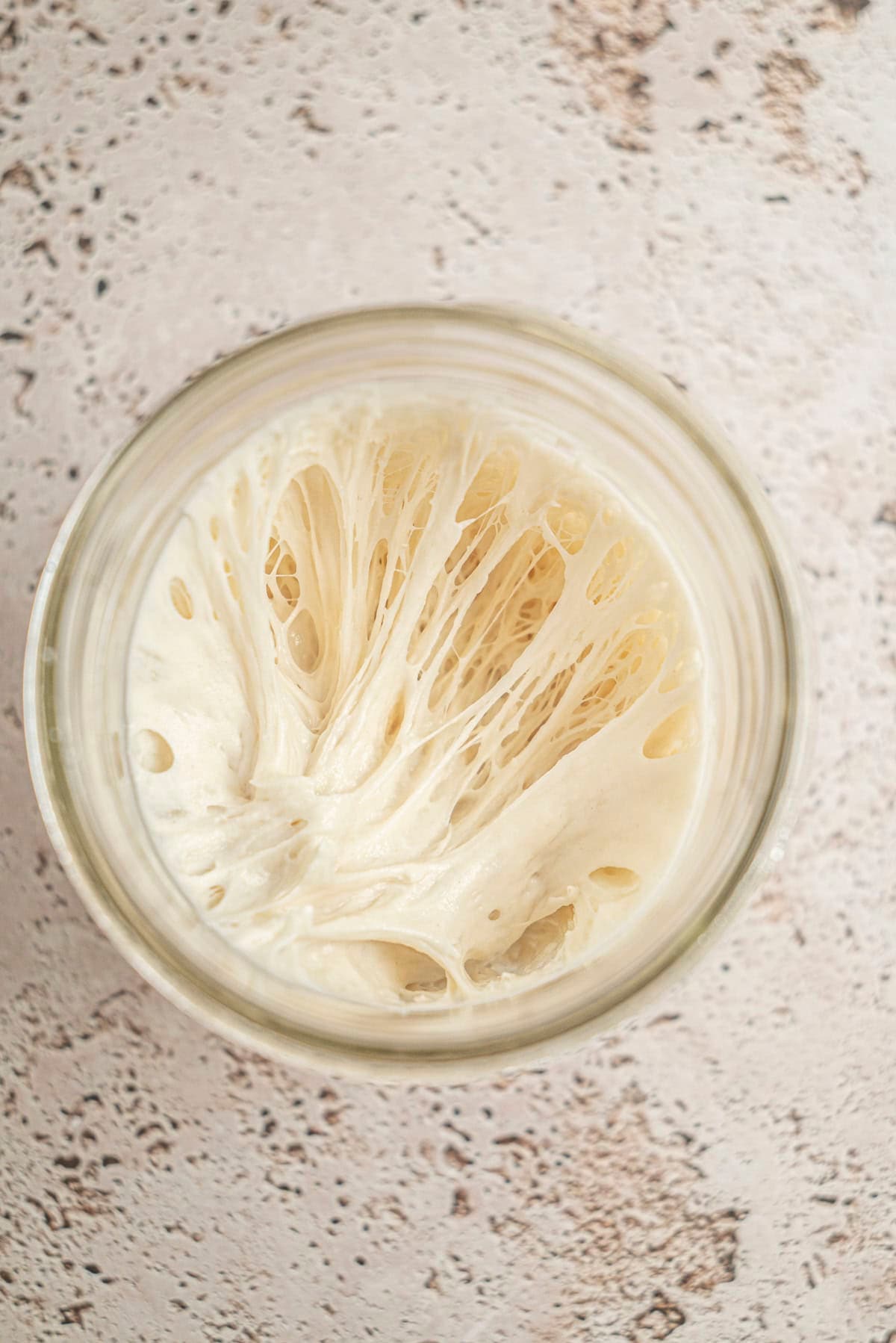
Sourdough Starter Maintenance
Complete guide to maintaining a healthy and active sourdough starter.
Categories
Ingredients
Preparation
- 1
Remove your sourdough starter from the refrigerator if storing it dormant. Let it come to room temperature for about 30 minutes. Observe its appearance – it should have a slightly sour smell but not unpleasant.
- 2
Discard about half of your starter (or use it in recipes like pancakes or crackers). You should have approximately 1/2 cup remaining. This step prevents your starter from growing too large and ensures it gets fresh nutrients.
- 3
Add 1/2 cup of room temperature water to your starter. Stir vigorously with a clean utensil until the starter is dissolved and the mixture is milky. This helps distribute the yeast and bacteria evenly.
- 4
Add 1/2 cup of flour to the water-starter mixture. Stir until no dry flour remains and the mixture is smooth and thick, like a thick pancake batter. Scrape down the sides of the jar.
- 5
Mark the level of your starter on the jar with a rubber band or piece of tape. This helps you monitor its growth. Cover loosely with a lid or breathable cloth secured with a rubber band. The starter needs airflow but protection from contaminants.
- 6
Place the jar in a warm spot (70-75°F / 21-24°C is ideal). Avoid direct sunlight or heat sources. Let it sit for 4-12 hours, depending on temperature and starter activity. It's ready when it has doubled in size, shows lots of bubbles, and has a pleasant sour aroma.
Feeding Schedule
For active baking (multiple times per week): Feed daily or every 12 hours if kept at room temperature. For occasional baking: Store in refrigerator and feed weekly. Before using, give it 2-3 feedings at room temperature to reactivate.
Signs of a Healthy Starter
Doubles or triples in 4-8 hours after feeding. Lots of bubbles throughout. Pleasant sour smell (like yogurt or beer). Passes the float test: a spoonful dropped in water should float when ready to use.
Troubleshooting
Liquid on top (hooch): Stir it back in or pour off, then feed. Mold (pink, orange, or fuzzy growth): Discard starter and start fresh. Not rising: Increase feeding frequency, check temperature, or try switching flour types. Too sour: Feed more frequently with a higher flour-to-water ratio.
Storage Tips
Room temperature (70-75°F): Feed daily. Warm environments (75-80°F): Feed twice daily. Refrigerator (35-40°F): Feed weekly. Freezer: Not recommended as it can damage yeast cells. Dried starter: Spread thinly on parchment, dry completely, crumble, and store in airtight container for long-term backup.
To help you with this recipe
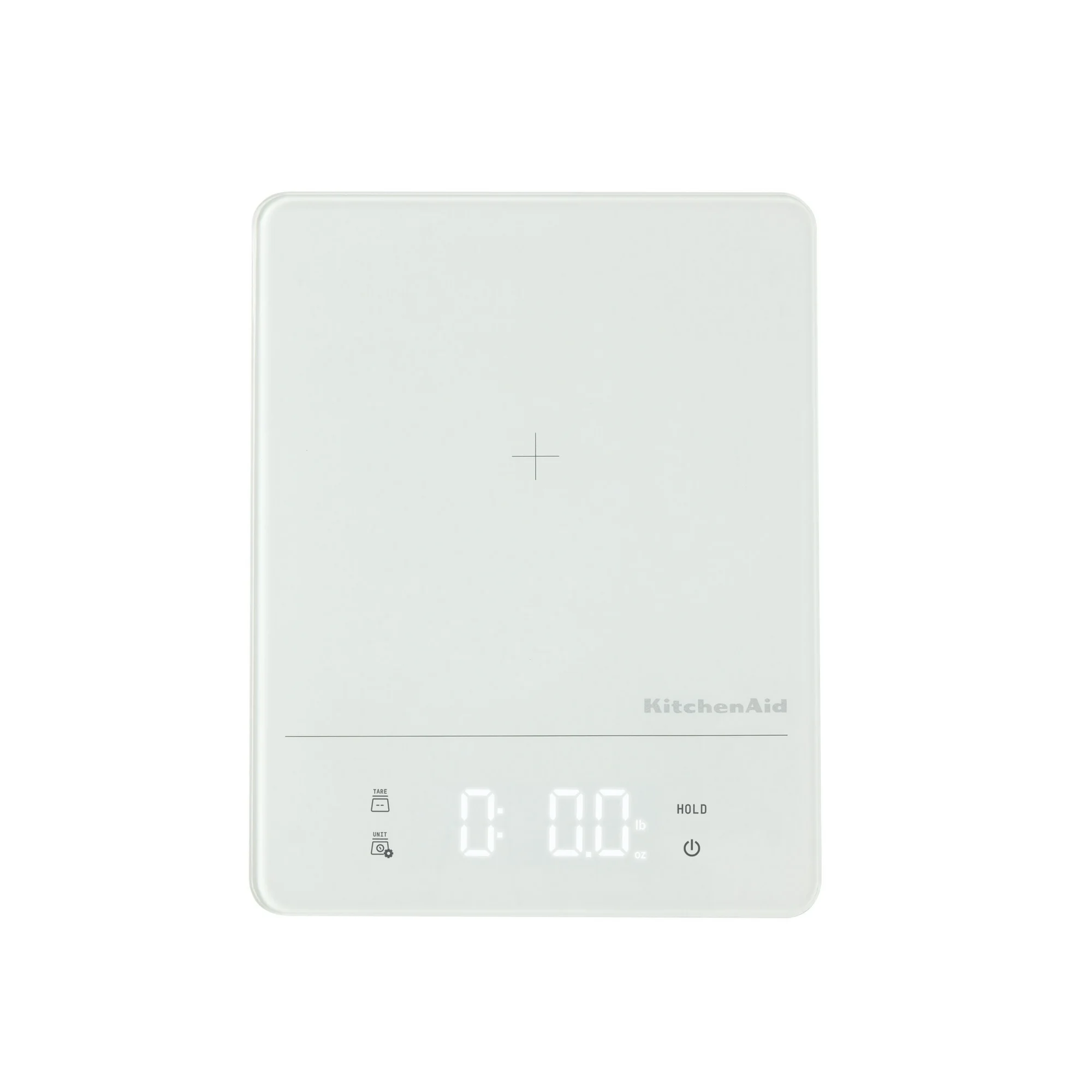
Digital Kitchen Scale
29.99 $
A little scale that packs a punch! Discreet yet powerful, it measures ingredients right in your go-cup for maximum no-fuss efficiency in the kitchen.